All Aboard Main Street: How Trolleys Bring Downtowns Back to Life
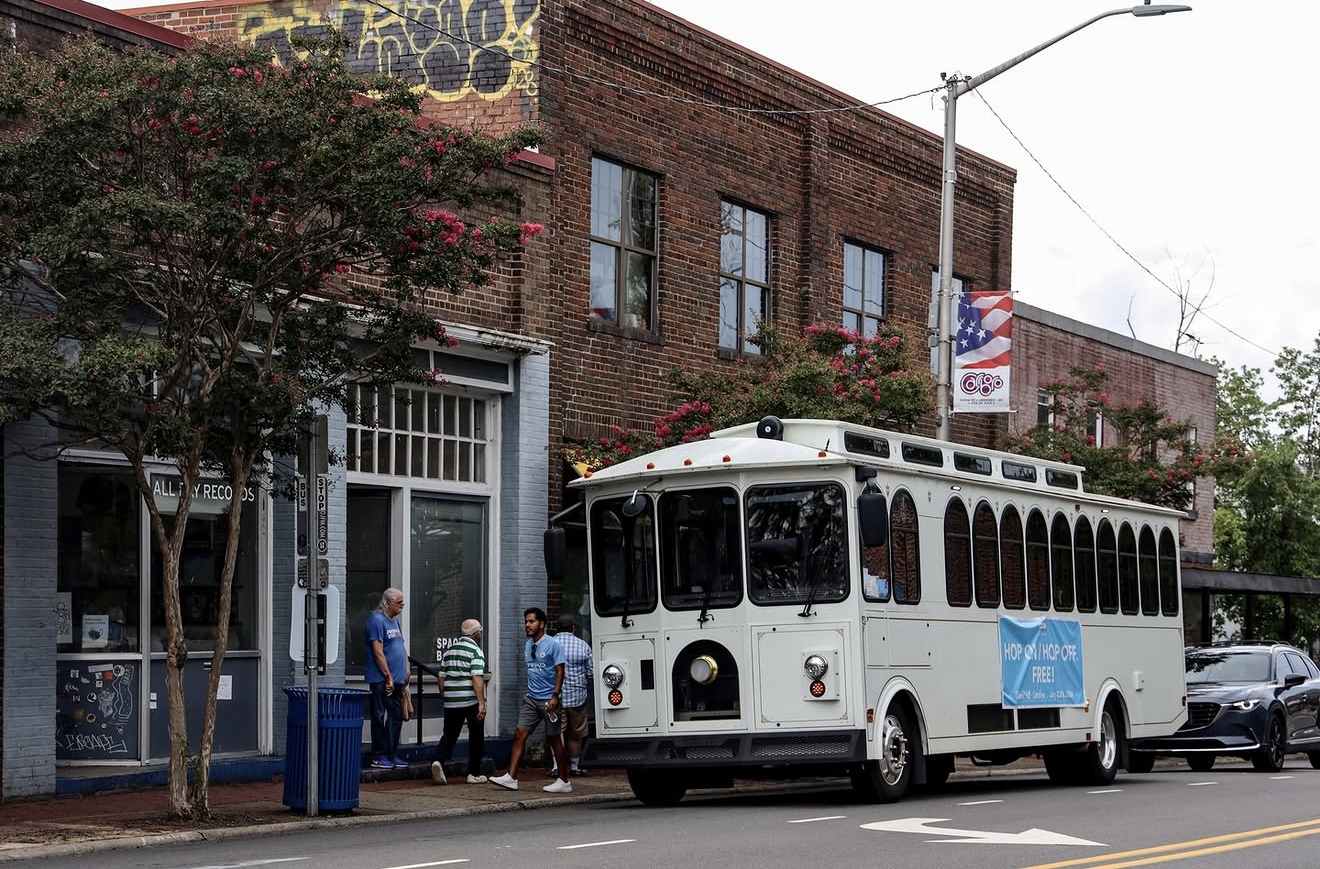
There's something about a trolley rolling down Main Street that makes people smile. Kids wave from the windows and suddenly a quiet downtown feels like the heart of town again.
Here at Hometown, we've spent more than three decades watching that happen. Hometown Trolley is a third-generation, family business that is woman owned. Kristina Pence-Dunow, CEO and owner of Hometown Trolley, founded the corporation in 1992 in the small town of Crandon, Wisconsin. Being a small-town company, we know how much a thriving downtown means to a community, and we've seen firsthand how the right trolley can help get it there.
Why Trolleys Work So Well Downtown
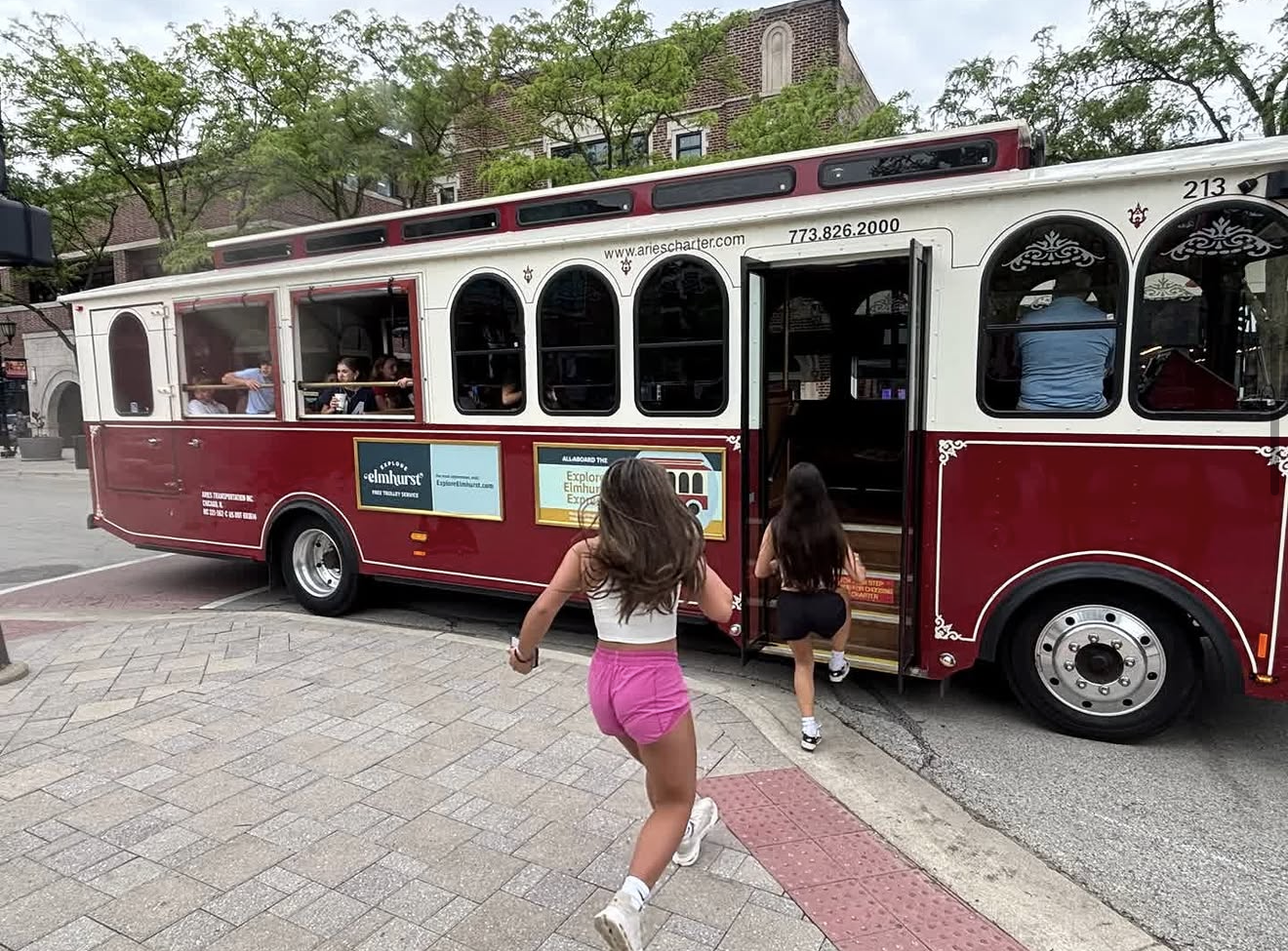
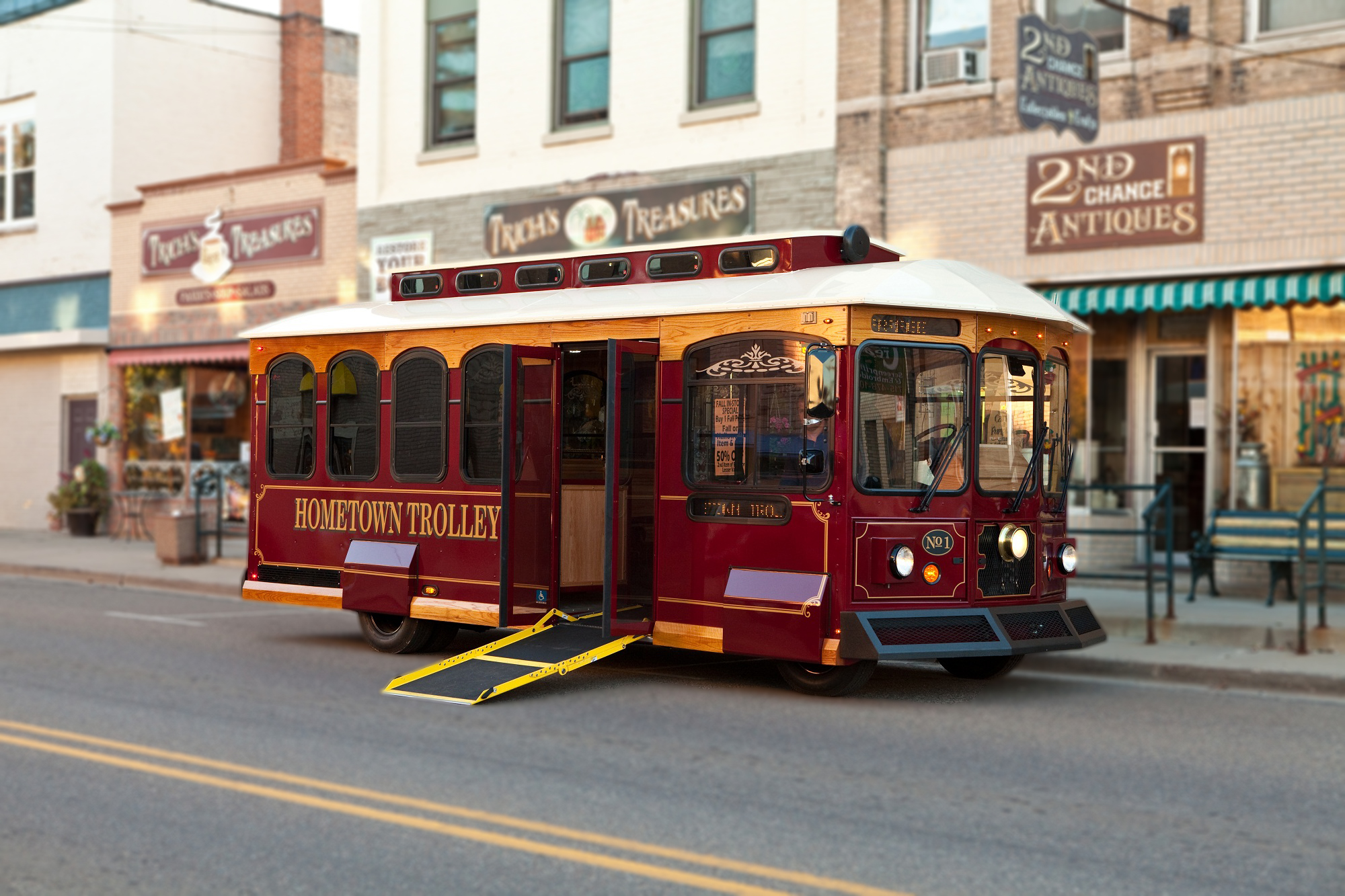
A trolley is more than a way to get from Point A to Point B. It's an experience. People who would never think of hopping on a city bus will happily climb aboard a trolley just for the fun of it. That turns a trip downtown into an outing: park once, ride around, and discover the bakery, the bookshop, and the new brewery you didn't know was there.
For downtown businesses, that means more foot traffic and more people lingering. For cities, it means less pressure on parking and a charming, one-of-a-kind way to show off what makes your community special.
Real Communities, Real Results
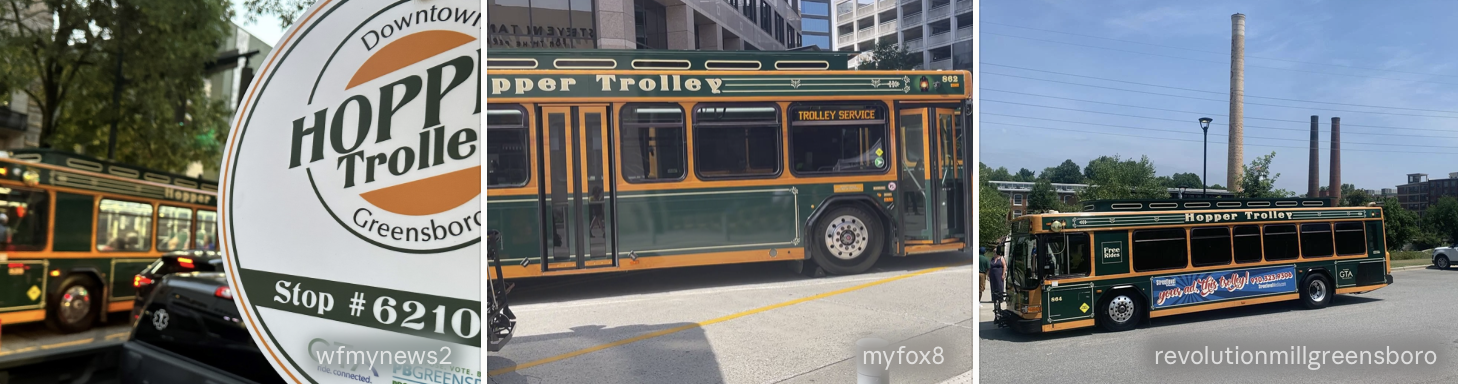
Greensboro, North Carolina: "Hop 'n' Shop." In 2023, Greensboro launched a free downtown trolley called the Hopper. The city even let residents name it, and residents submitted more than 500 ideas for what to call the new, free downtown trolley service. The goals were simple: city transit staff said they hoped to enable easier transportation around the downtown area, reducing reliance on parking while bringing more customers to downtown merchants. It worked. In its first year, the Hopper provided more than 52,000 rides, and the route has since expanded to include Moses Cone Hospital, the State Street shopping and dining district, and Revolution Mill, an office and residential complex. Local business owners noticed too. One downtown shop owner said she thinks it will drive business to all of them, especially since parking is a major challenge downtown.
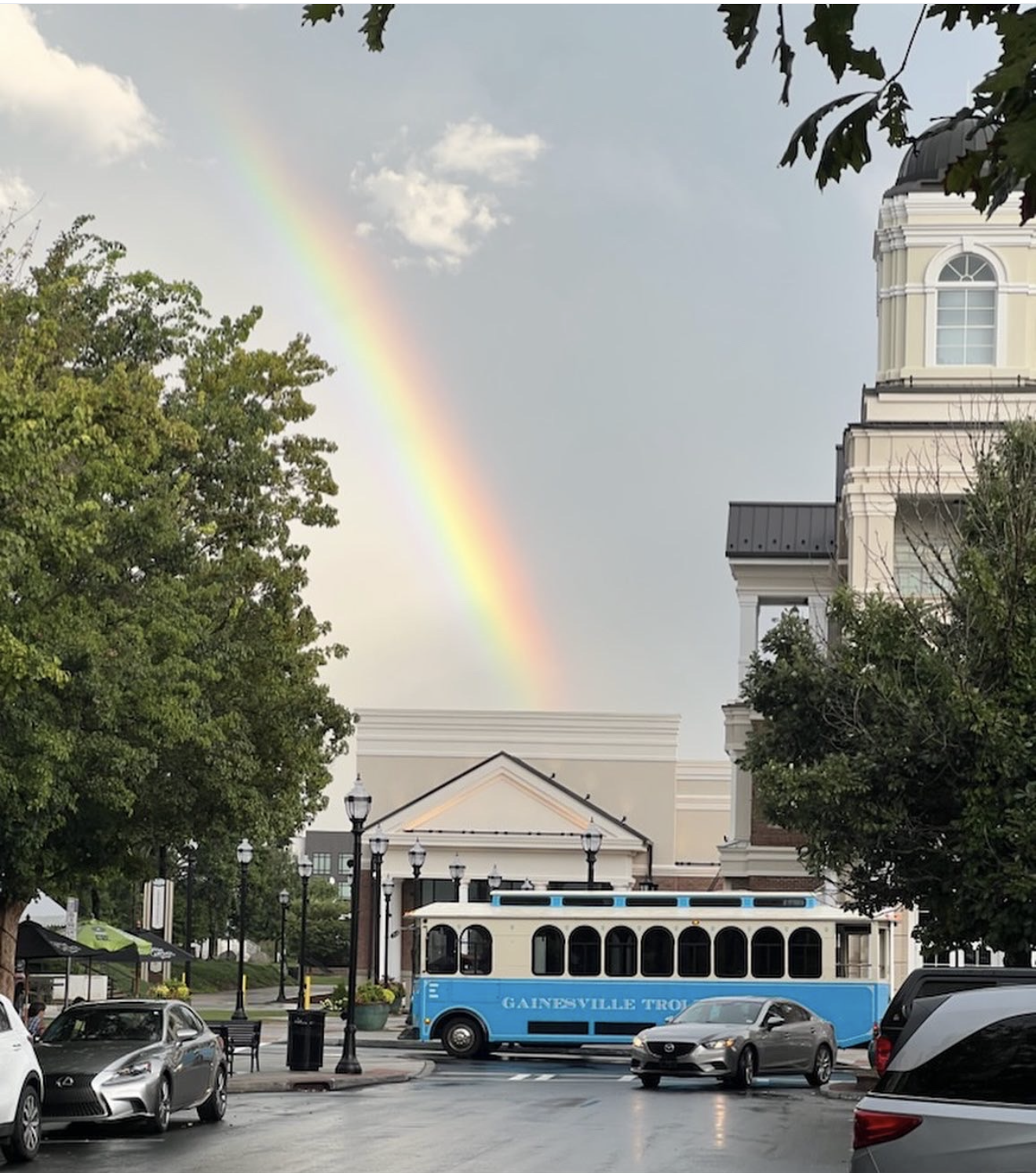
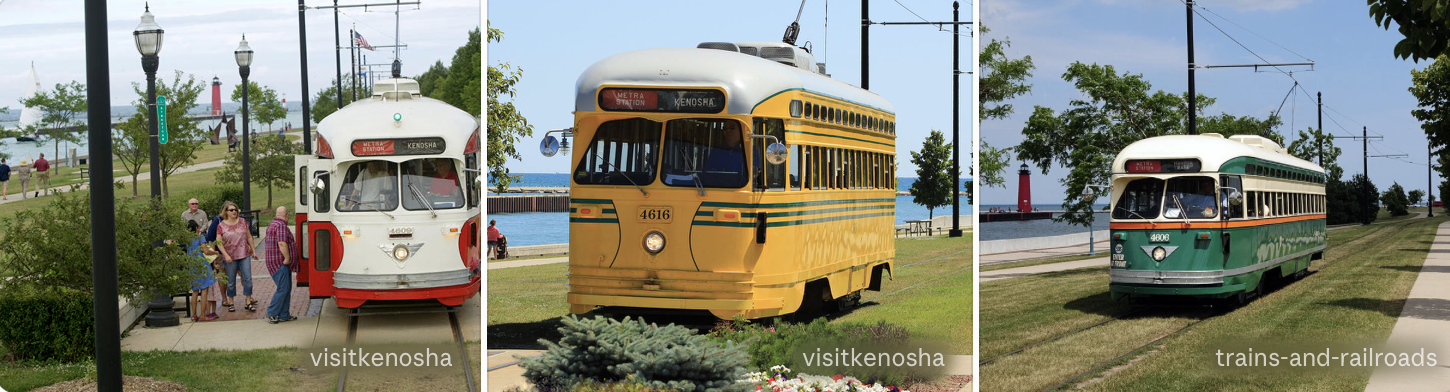
Kenosha, Wisconsin: From brownfield to lakefront gem. Closer to home, Kenosha shows what's possible when a trolley is built into a bigger vision. The city's lakefront was once a closed industrial site; in 1994, the city bought the ravaged 42-acre industrial property for $1. On June 17, 2000, Kenosha launched a modern electric streetcar system as part of the redevelopment of the Lake Michigan waterfront and HarborPark. Today the area hosts lakeside condominiums, a large recreational marina, numerous parks and promenades, sculptures, fountains, the Kenosha Public Museum, and the Civil War Museum, all of which are connected by the streetcar system. Twenty-five years later, the trolleys are still a point of civic pride, with the city hosting a free Streetcar Day celebration every year.
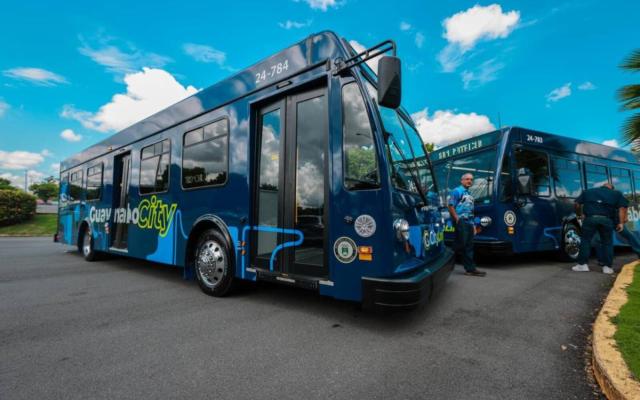
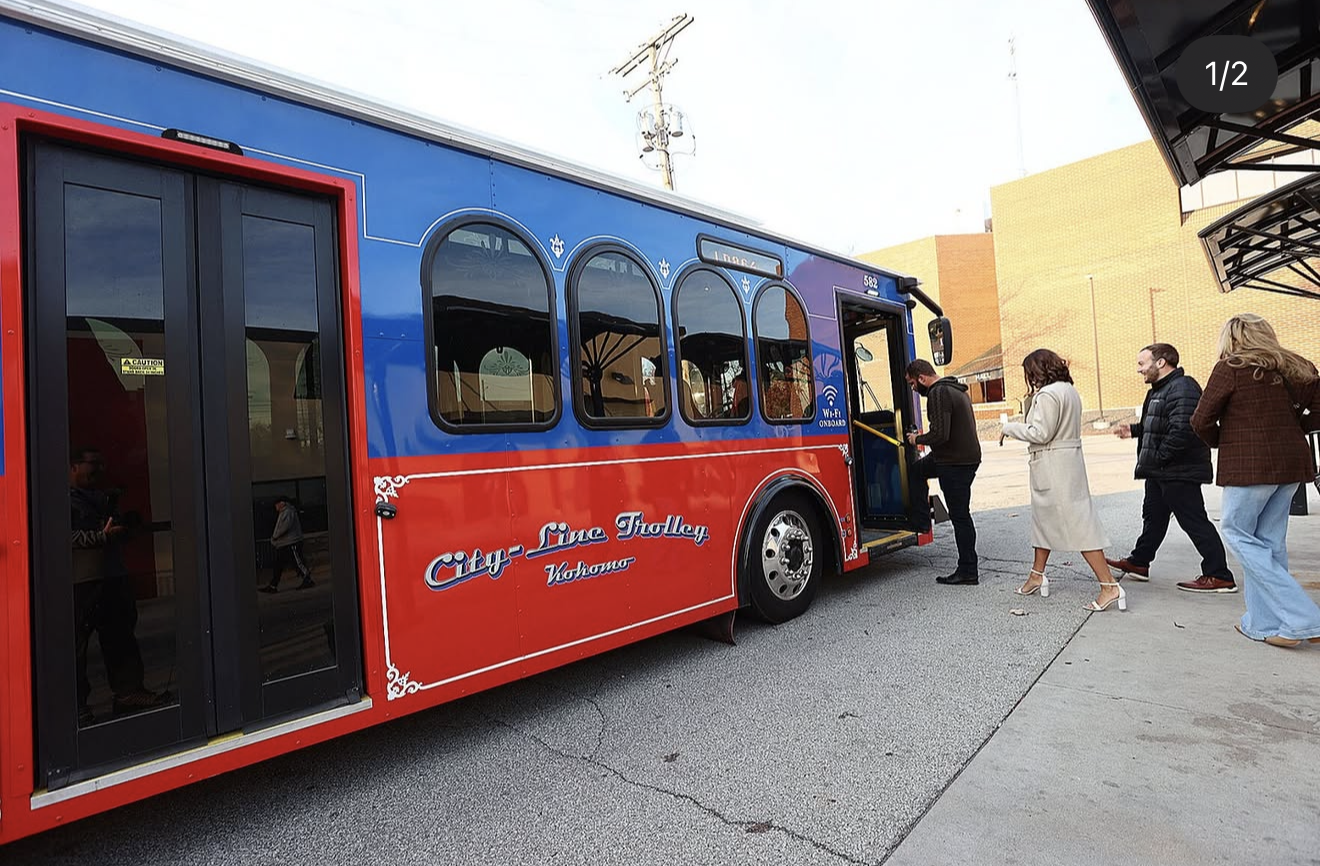
Kokomo, Indiana: Bringing transit back. Kokomo proves you don't need to be a big city to make it work. The city of Kokomo rolled out the buses in late 2010, which was the first bus system Kokomo had seen since the late 1960s. The free City-Line Trolley started with just two smaller sized buses, and just two routes and has grown into a system serving 1,600 to 2,000 riders a day.
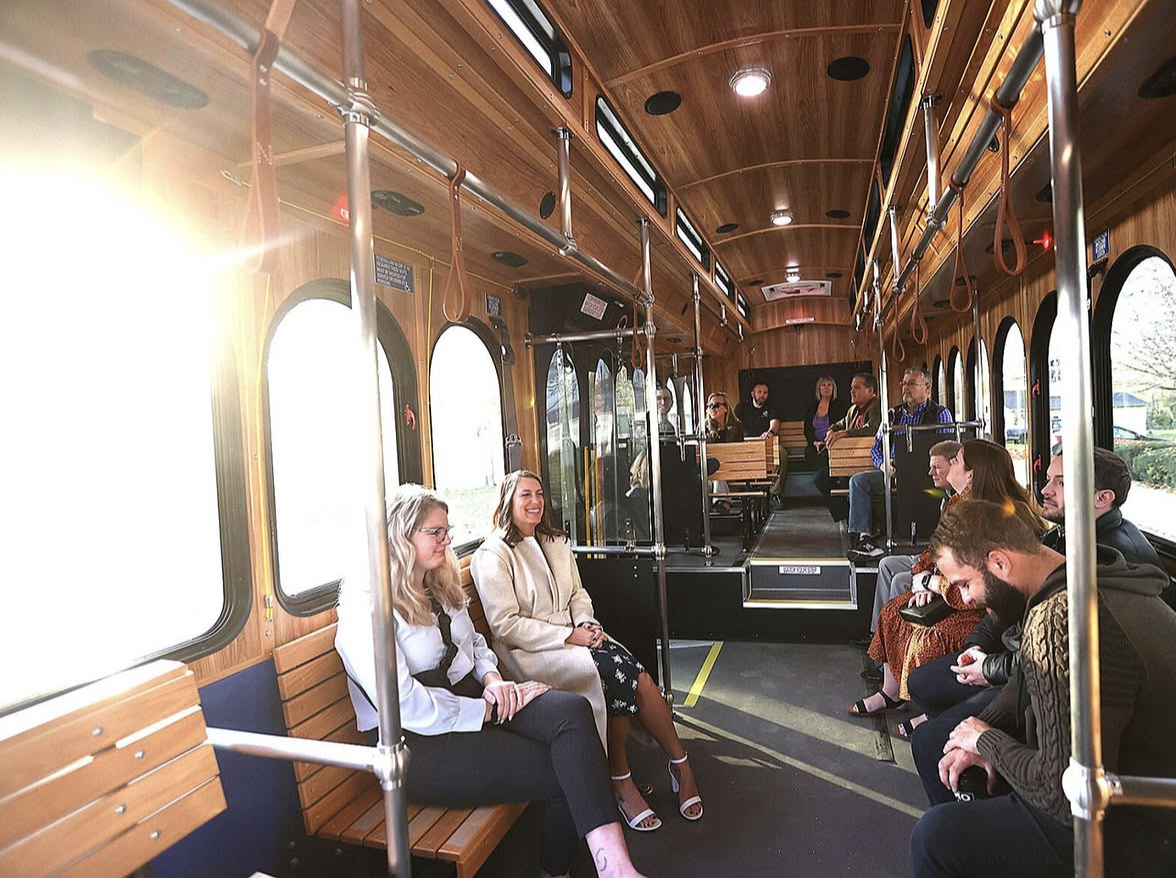
Elkhart, Indiana: Trolley charm, everyday transit. Trolleys aren't just for weekends and tourists. Elkhart County's Interurban Trolley is a regional public transit system whose name refers to the fact that the system serves several communities using vintage-trolley-style buses, evoking interurban trains that were common in the United States during the early 20th century. Its fleet includes Hometown trolley buses, and the system recorded annual ridership of 482,593.
The Hometown Advantage: Charm Without the Track
Kenosha's streetcars are wonderful, but rail takes years of construction, overhead wiring, and a big budget. A Hometown trolley gives you that same nostalgic look and feel on rubber tires, so you can launch service on the streets you already have, change routes as your downtown grows, and get rolling much faster.
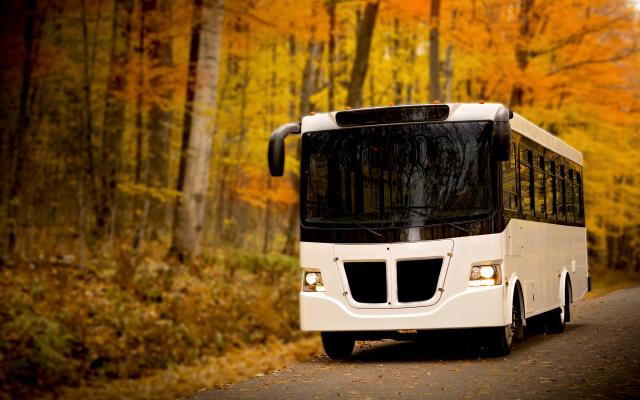
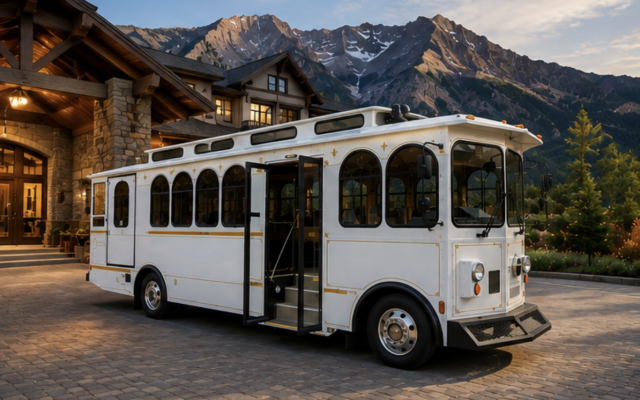
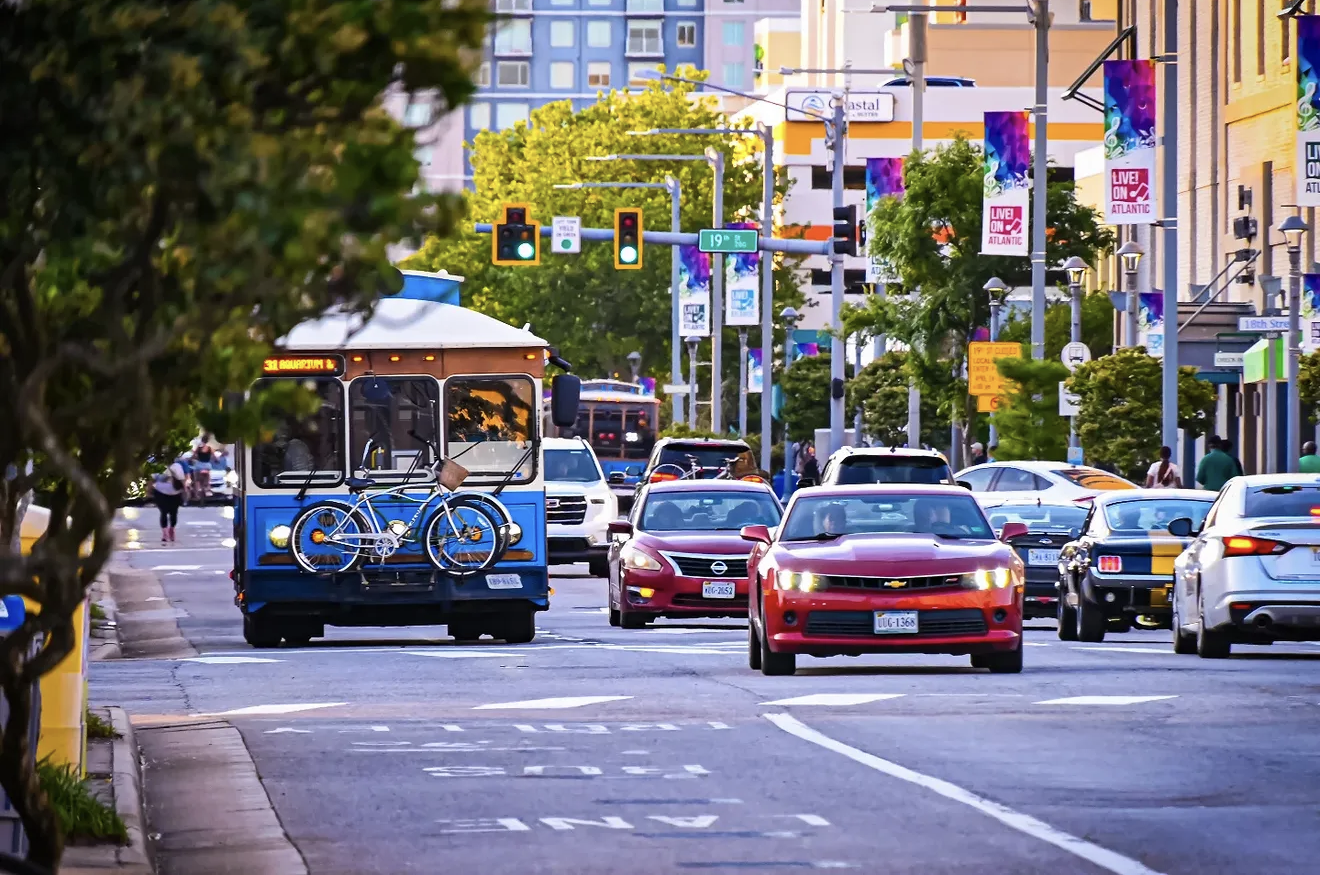
Our trolleys are inspired by 19th century charm and engineered for modern day, and there's a size for nearly every community. Our Carriage seats 18 to 24 for lighter-duty shuttling, our Villager (our original medium-duty trolley design, which was introduced over 34 years ago) carries 14 to 45, and our Streetcar is the most advanced, heavy-duty, low-floor trolley combined with turn of the century beauty. Every one is hand-built by our team in Crandon.
How to Get Your Downtown Trolley Rolling
Every successful trolley story we've seen starts with a few of the same steps.
Start with a clear goal. Is it easing parking? Connecting a new development to Main Street? Drawing visitors to events? Your goal shapes your route, schedule, and trolley size.
Bring partners to the table. Downtown associations, chambers of commerce, tourism bureaus, hospitals, colleges, and local businesses all benefit from a trolley, and many are happy to help sponsor it.
Explore your funding options. Communities fund trolleys in all sorts of creative ways. Greensboro's pilot was funded by the Participatory Budgeting Greensboro project and federal American Rescue Plan dollars, and Perth Amboy, New Jersey funds its seasonal downtown trolley through its Urban Enterprise Zone (UEZ) program. Federal and state transit grants, tourism dollars, and business sponsorships are all worth a look.
Consider a pilot. Starting with limited days and hours, like Greensboro's Thursday-through-Sunday schedule, lets you test the route, gather ridership numbers, and build the case for long-term service.
Let's Talk Trolleys
Whether you're a city planner, a downtown association, a tourism board, or a business owner with a big idea, we'd love to help. Our Consulting team can help you think through routes, vehicle size, and planning. Our Financing page walks through options to make your purchase manageable. And if you're ready to roll sooner rather than later, check out our current Inventory.
Give us a call at 1 (715) 301-0149 or reach out online. From our family to your hometown, we can't wait to help you bring Main Street back to life.